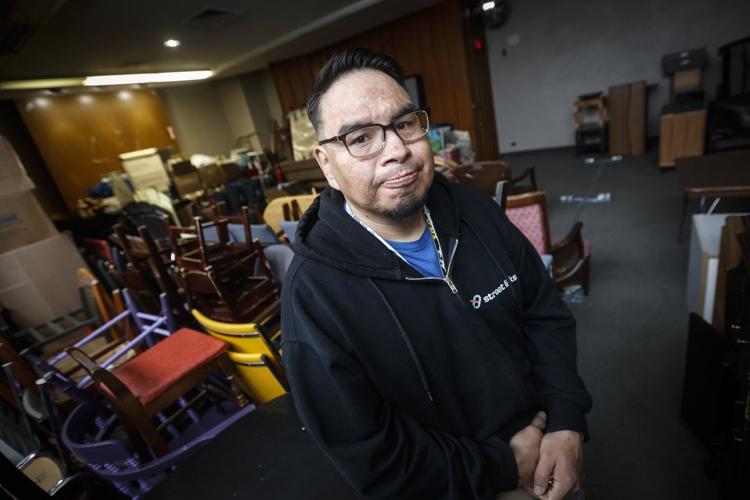



WINNIPEG - Claudemier Bighetty points to rocky terrain under a Winnipeg bridge and tells viewers on his Facebook page that's where he used to live.
A few moments later, the reel cuts to Bighetty and his partner in their cosy living room in their one-bedroom home talking about how long it has been since they last used drugs.
In October 2023, Bighetty vowed to stop using fentanyl. Five months later, Deidra Bighetty followed suit.聽
Calling himself a sober influencer, Claudemier Bighetty documents his journey of sobriety for online followers, with some of his videos garnering hundreds of thousands of views.
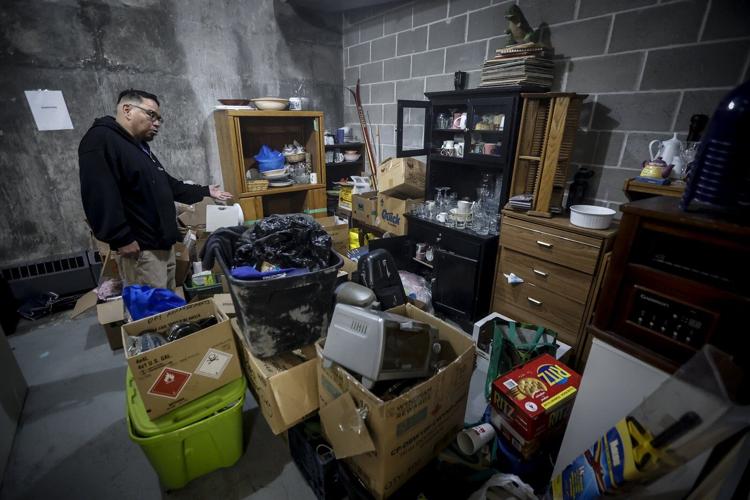
He invites people to join him as he visits spots he used to frequent when he was homeless. This time, it's as a homeless outreach worker with St. Boniface Street Links.
"Homelessness was pretty rough. I did a lot of drugs. I lived in stairwells, I lived in parkades, elevators, all over downtown," the 49-year-old Cree man said in a recent interview.
Originally from northern Manitoba, Bighetty has lived in Winnipeg since the early '90s and spent most of the time in various stages of homelessness, from couch-surfing to living in encampments.聽
He was also in and out of jail, in the throes of alcohol and drug addiction, as well as gang life.聽
He now recognizes that unresolved intergenerational trauma played a role, he said. His parents were forced to attend residential schools and he spent time in the child welfare system.
As municipal and provincial officials try to tackle the long-standing issue of homelessness and tent cities, Bighetty is lending his voice to call for a sanctioned encampment site that would connect people to housing and supports.
"We're not going to make it a place to make it comfortable, where they're going to stay forever," Bighetty said.
鈥淲hat we want 鈥� is like a triage, where if the city would let us pick a location to put all the tents, we'll have electricity running through there, porta-potty, have other organizations come there and donate,"聽
In November, Bighetty and others with St. Boniface Street Links presented the idea at a city council meeting.
Winnipeg committed this month to exploring the idea, asking for a report on what a managed encampment pilot site would look like, including the cost of providing garbage bins, washrooms and cleaning, and how the province could help.
In the fall, the city introduced a policy restricting where encampments can pop up. Tents and other makeshift shelters are prohibited from being within 50 metres of playgrounds, pools, schools, daycares and other areas that families and children access.聽
"We see our neighbours and relatives on the streets and we want to try to support them in place," said Greg MacPherson, Winnipeg's acting manager of community development. "But at the same time, encampments pose a different issue, a myriad of issues, from human waste and environmental degradation."
City employees are to work with outreach providers to notify encampment residents that a site is being remediated and offer housing options.聽
On the low end, there are about 700 people living in 100 encampments across the city, said MacPherson. Since mid-December, the city has cleared out roughly a dozen encampments.
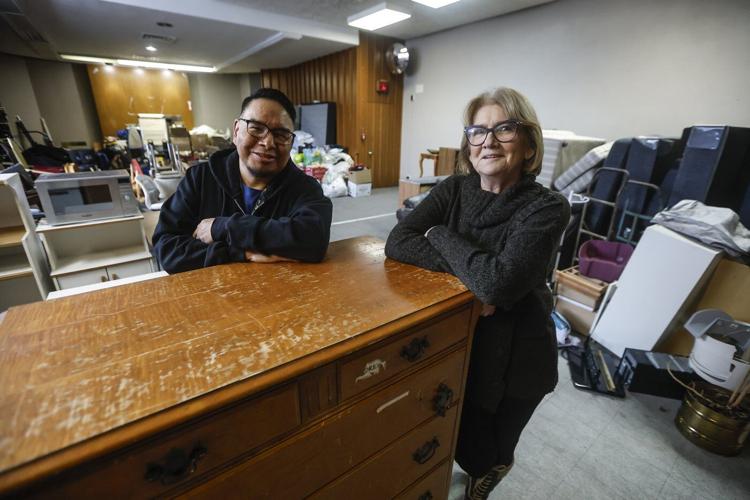
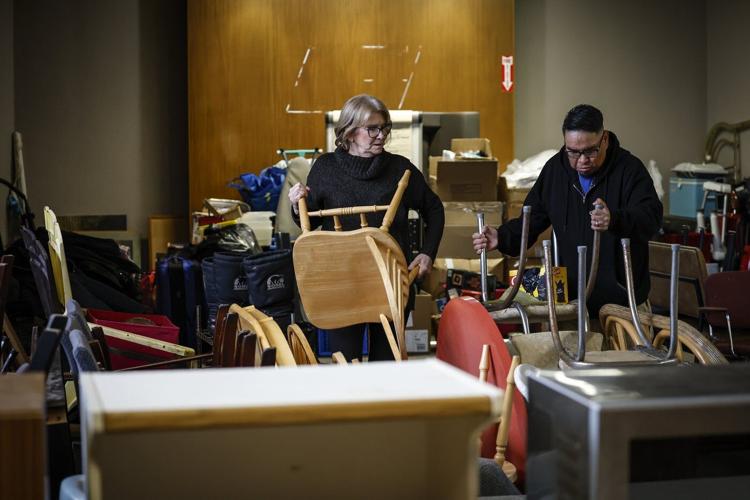
Marion Willis, executive director and founder of St. Boniface Street Links, questions if housing was offered in these cases as she's heard of some encampment residents ending up at shelters.
"It's really doing nothing more than scattering everybody and magnifying the crisis."聽
Willis doesn't support encampments or living rough, but said a ban is harmful if it's not supported by a plan to get people housed.聽
Her organization works with agencies and people in the private sector to house those in encampments. Since April, the group has connected more than 380 to low-barrier housing.
The Manitoba government, through its much-touted plan started this year to end chronic homelessness, said it has moved 130 people from encampments to homes, with supports to address drug, alcohol and mental-health issues.
Critics have argued the province isn't moving fast enough. The province has said there's a learning curve.聽
"Making sure that we're doing it at a slower pace, that we are ensuring that we have some folks that are stable, that there's some mentorship happening there," said Bernadette Smith, minister of housing, addictions and homelessness.聽
The availability of social housing remains a hiccup in getting people housed more quickly.
Willis questions why the province doesn't partner with the private sector to create more housing.聽
"The politicians are not the experts, and they really shouldn't have a role in planning," said Willis. "They're policy-makers, they are the funders.
"They should not be those that are actually developing the plans to end homelessness."
This is, in part, why she has been advocating for a managed encampment site, one where outreach workers are running it and connecting people to services and housing.聽
The concept is not new, with various municipalities across North America dabbling in their own versions. Halifax has opened and closed a number of designated encampment sites in recent years as it struggles with tent cities.
However, national advocates argue that without a pipeline to immediate housing, these initiatives are useless.聽
"If there's not a housing-focused solution or resolution as part of that plan, then the problem continues and could end up becoming more harmful, more unsafe, more ineffective, more costly," said Amanda DiFalco with the 好色tv Alliance to End Homelessness.聽
DiFalco recommends that if cities want to set up a managed encampment site, they should consider the safety and dignity of the residents, including harm reduction, proper sanitation, a co-ordinated local response without over policing and a housing-focus approach.聽
Willis said she would like to ultimately see a federal strategy tackle the complex issues that lead to homelessness, including addictions and mental illness.聽
Bighetty said there's no easy fix for getting people off the streets. He was housed multiple times before he decided to stop using drugs and alcohol.
He still shows up everyday to help as many people as he can.
"Not all of them want it 鈥� these are the ones that you don't give up on."
This report by 好色tvwas first published Dec. 23, 2025.