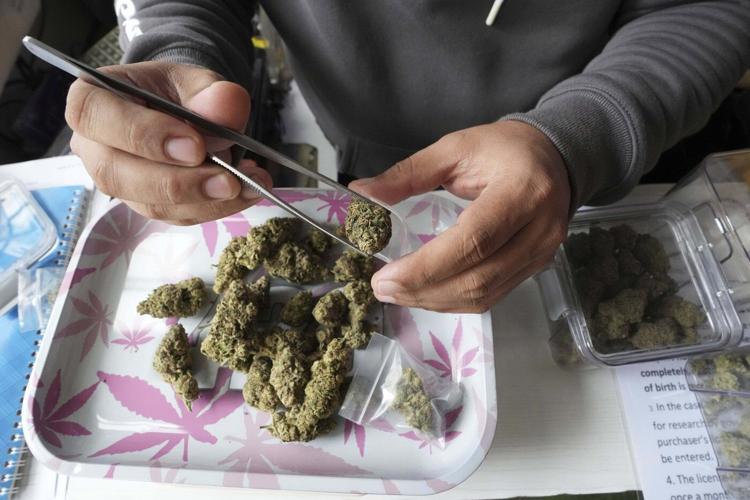

HALIFAX - The RCMP are dismissing recent claims made by the Nova Scotia government that unregulated cannabis dispensaries are selling guns and women.
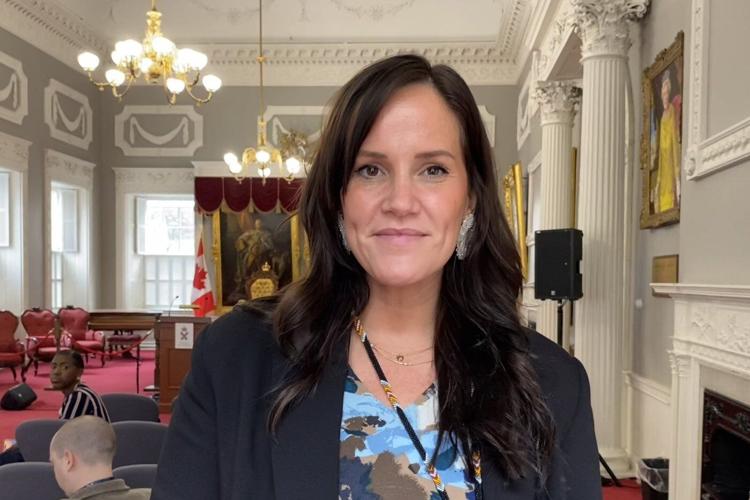
The remarks, made by Nova Scotia Minister of L'nu Affairs Leah Martin, are the latest in a series of unsubstantiated claims shared by members of the provincial government after it directed police to crack down on illegal dispensaries last December, urging First Nations leaders to co-operate to stop this activity in their communities.
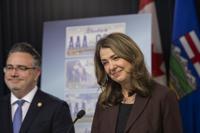
Martin made the comments during a legislative committee meeting.
鈥淲e've had nine deaths in our community in the last month. And I say: 鈥極kay, so and so, where did they get the stuff?' Like, 'Well, at the shop.' And I know what all this means. And I've seen raids that have come out with this, that, and the other,鈥� she said on March 27.
鈥淲e all know some just sell unregulated product (cannabis), some sell much more than that. We've seen some that sell guns, some that sell mushrooms, some that sell cocaine, women,鈥� the minister added.
While Martin's comments appeared to fly under the radar, some First Nations leaders have said the government's ongoing rhetoric is villainizing Indigenous communities by using outdated colonial tactics and undermining their treaty rights.
Premier Tim Houston has previously said fentanyl was found in unregulated cannabis, while Justice Minister Scott Armstrong has said the unregulated drug market is linked to human trafficking. Police have said they have no evidence to support either of the claims made by Houston and Armstrong.
The comments are feeding into a volatile political environment as the government comes under fire for a series of police raids in recent months that have mostly targeted dispensaries in First Nations communities. The raids have also prompted fierce opposition, including two temporary blockades of Nova Scotia highways that caused traffic slowdowns ahead of the Easter long weekend.
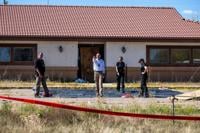
When asked about Martin鈥檚 comments, a spokesperson with the Nova Scotia RCMP said investigators have discovered 鈥渙ther illicit items鈥� while searching illegal cannabis storefronts, including cocaine and psilocybin mushrooms.
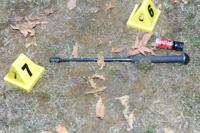
During searches at dispensaries in the Southwest Nova RCMP district, officers seized eighteen firearms. 鈥淗owever, there鈥檚 no evidence to support charges related to firearms trafficking,鈥� Allison Gerrard said in an email.
鈥淭he Nova Scotia RCMP isn鈥檛 aware of any evidence showing a direct connection between human trafficking and illegal cannabis markets, but both crimes can coexist. That means overlap is possible, even if not documented today,鈥� she said.
A Halifax Regional Police spokesperson said their officers have also located psilocybin mushrooms while searching unregulated cannabis shops, and 鈥渁 small quantity of cocaine which was in someone's personal possession."
鈥淗uman trafficking and firearms have not been linked to any investigation or enforcement HRP (Halifax Regional Police) has been involved in,鈥� said police spokesperson Cst. Martin Cromwell.
Martin's office did not answer when asked what evidence the minister has for the claims she made, but said she is in "constant" contact with Mi'kmaq communities and regularly hears from individuals and groups during confidential discussions.
"These conversations are private in nature. We can advise that a common thread expressed is the resounding presence of grave concerns about the adverse effects of illegal activity reaching their communities," a spokesperson for Martin's department said in an email.
"In these confidential exchanges, it is expressed repeatedly that community members are terrified to verbalize their concerns publicly. Concerns about repercussions that could put their safety and well-being at risk are genuine and significant," reads the emailed statement.
Provincial law strictly controls the sale of cannabis, which is done through 51 Nova Scotia Liquor Corp. outlets across the province.
Since early December, when the government issued its directive for law enforcement officers to prioritize cannabis, police have staged a series of raids across the province, including at dispensaries in Eskasoni First Nation, Potlotek First Nation, Paq'tnkek First Nation and Waycobah First Nation.
Armstrong also wrote to 13 Mi'kmaq chiefs, requesting their co-operation to tackle illegal cannabis sales.
Since the directive was issued, RCMP say seven of the 11 seizures at illegal cannabis storefronts were within First Nations communities.
In March, the council of Cape Breton鈥檚 Membertou First Nation, led by Chief Terry Paul, passed a resolution saying the province and RCMP have no right to carry out enforcement on its lands. And the Assembly of Nova Scotia Mi鈥檏maw Chiefs issued a statement saying raids have undermined the positive work that had been done to build relationships between the First Nations, police and the province.
The Sipekne鈥檏atik First Nation has cited the cannabis directive for banning Martin, Armstrong and the premier from the community.
The province maintains that multiple court decisions have consistently rejected the idea that cannabis sales are a treaty right. Meanwhile, there are cases involving Indigenous-owned cannabis operators currently making their way through the provincial court system.
This includes Thomas Durfee鈥檚 legal proceeding. He鈥檚 a Mi鈥檏maq cannabis advocate who asserts he has a treaty right to grow and sell the drug.
His shops are called treaty truckhouses 鈥� the term used for trading posts in treaties signed by the Mi鈥檏maq and British Crown in the 1700s.
In an interview, Durfee said he believes the message being spread by government is an attack on Mi鈥檏maq sovereignty and an attempt to vilify First Nations cannabis sellers.
He said the truckhouses always put health and safety first, and he challenged Martin to either prove her claims with evidence or resign.
鈥淭he lies about our communities are not mistakes. They are tactics. Economic genocide, meant to kill our right to trade," Durfee said.
鈥淢i鈥檏maq people from Unama鈥檏i to Kespe鈥檏 to Ktaqmkuk will not have our treaty rights erased by disinformation. False accusations are a colonial tactic of assimilation."
Meanwhile, Martin said many families wish their children 鈥渄idn鈥檛 have to drive by 10 cannabis stores on the way to school in the mornings," adding that youth experience this on a daily basis.
鈥淎nd so, I trust that the RCMP are going in there to do their job, and I support that,鈥� she said.
This report by 好色tvwas first published April 27, 2026.