


TOPEKA, Kan. (AP) — As consumers worry about medication costs, states are trying to lower drug prices by reining in big companies that oversee prescription coverage for health insurers.
Some of those companies, called pharmacy benefit managers, also own pharmacies, and one of them, CVS, has spent millions of dollars fighting the regulations.
Affordability is a key issue ahead of this year’s midterm elections. Legislators in at least a dozen states passed laws this year to limit compensation to the companies, set minimum payments from the companies to pharmacists and require the companies to disclose more information to their clients, states and the public.
A Tennessee law will bar pharmacy benefit managers from operating retail pharmacies as of July 1, 2028, though CVS Health Corp. has filed a federal lawsuit to avoid having to close its 136 pharmacies there.
About 6 in 10 U.S. adults said in by healthcare research nonprofit KFF that they were at least somewhat worried about being able to afford their prescriptions. About 4 in 10 said costs had led them not to take medications as prescribed within the previous year, either by taking less than the prescribed dose, using over-the-counter substitutes or not filling prescriptions.
Dozens of proposals emerge across the US
Pharmacy benefit managers, particularly CVS and two other large companies, handle most U.S. prescriptions.
Lawmakers in at least 26 states introduced more than 120 bills this year on PBMs, according to an Associated Press search using with of the bills clearing at least one chamber.
The companies manage pharmacy claims for health insurers and negotiate with manufacturers over drug prices and what medications will be covered. Critics concede that the size of the top companies gives them leverage that health plans wouldn't have on their own.
The benefit managers argue that they're the only player in the drug supply chain created to help push drug costs down and they claim credit for an increased used of less-expensive generic drugs, now 90% of U.S. prescriptions.
“If PBMs already didn’t exist, you’d need to invent one,� Prem Shaw, president of the CVS Health group overseeing its pharmacy and PBM operations, said in a recent interview. “Blaming PBMs for high drug prices is like blaming umbrellas for the rain.�
CVS fights restrictions in Tennessee
Drug companies, PBMs and their allies have spent at least $24 million on opposing broadcast and digital advertising since the start of 2025 to influence public opinion, according to the ad-tracking firm AdImpact. CVS spent $4 million this year on ads opposing Tennessee's new law.
CVS sued Arkansas last year after it enacted similar legislation, and its law. CVS also settled in which Louisiana accused it of unfair trade and deceptive practices in lobbying against legislation there last year, agreeing to pay $45 million without acknowledging wrongdoing.
The CVS lawsuit in Tennessee alleges that the company, which operates 9,000 pharmacies nationwide, is facing “naked protectionism� from lawmakers who operate independent pharmacies — including the law's main sponsor, state Sen. Bobby Harshbarger, and co-sponsor Sen. Shane Reeves.
Independent pharmacies say they're being squeezed
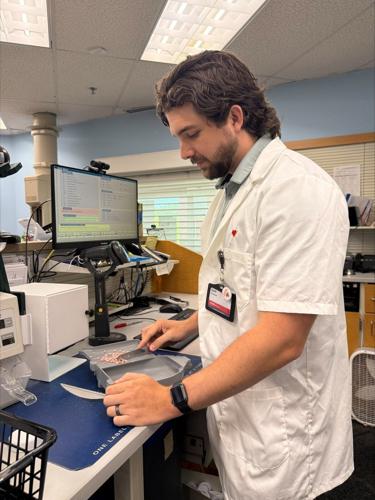
In Knoxville, Seth White, who manages a CVS pharmacy, will have to find a new job if the Tennessee law stands, and he's also worried about hundreds of its customers having to go elsewhere for their medications.
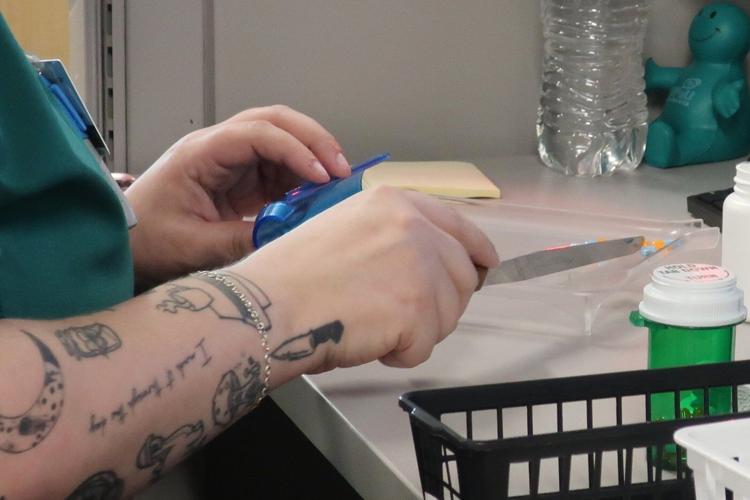
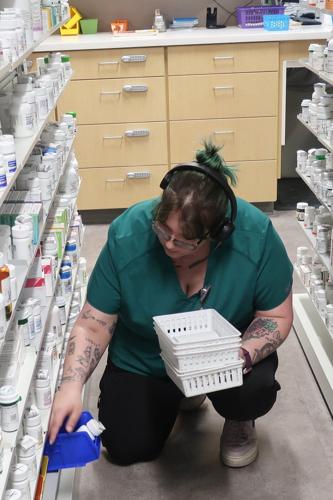
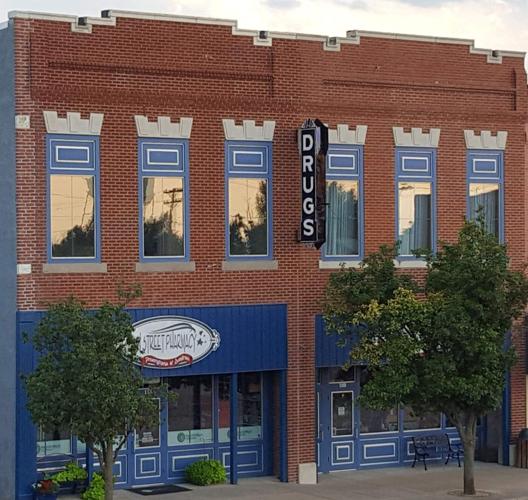
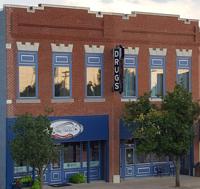
Some 900 miles (1,400 kilometers) away in Coldwater, Kansas, Lisa Gales is on the opposite side of the debate. She and her husband operate the Main Street Pharmacy, and she said they rely heavily on sales of non-pharmacy items to offset low reimbursements from pharmacy benefit managers.
Gales calculates she lost money on 86% of the prescriptions she filled last year. A new Kansas law will require PBMs to pay a $10.50 dispensing fee per prescription. Gales called it a “great win,� even though, “It’s still way under what it’s costing us.�
A new Louisiana law imposes an $11.81 dispensing fee. Another says PBMs must operate for the benefit of their health-insurer clients and people enrolled in health plans.
Critics deride each mandatory dispensing fee as an extra “pill tax� that will drive up consumers' costs. Backers dispute that, saying the laws also limit what PBMs charge health plans for the cost of medications themselves — so that it's often well below wholesale prices.
Pharmacy benefit managers push drugmakers to give big discounts on those wholesale prices but face criticism for keeping any portion of them. Some states now require PBMs to pass along all discounts.
Patients are watching the debate
It all worries consumers, particularly in small towns, who fear it could become harder to get their medications if PBMs squeeze independent pharmacies on reimbursements to the point of endangering their businesses.
In southeastern Kansas, Faith Sanders, a 79-year-old retired nursing home administrator, said the pharmacy in her hometown of Cedar Vale is important because without it people would have to drive 35 miles (56 kilometers) “to go out of town to get anything.�
For her many elderly neighbors, she said, “We get to the point where it’s hard for us to get out of town.�
Meanwhile, even some PBM critics question whether states can effectively regulate them. In Tennessee, state Rep. Robert Stevens, a Nashville-area Republican, told colleagues during a debate that cracking down on PBMs “needs to be done by Congress and not by us.�
Congress did pass new PBM regulations in February. One law will prevent PBMs from keeping any rebates they’ve negotiated on drug prices for health plans that supplement federal Medicare coverage for Americans over 64.