




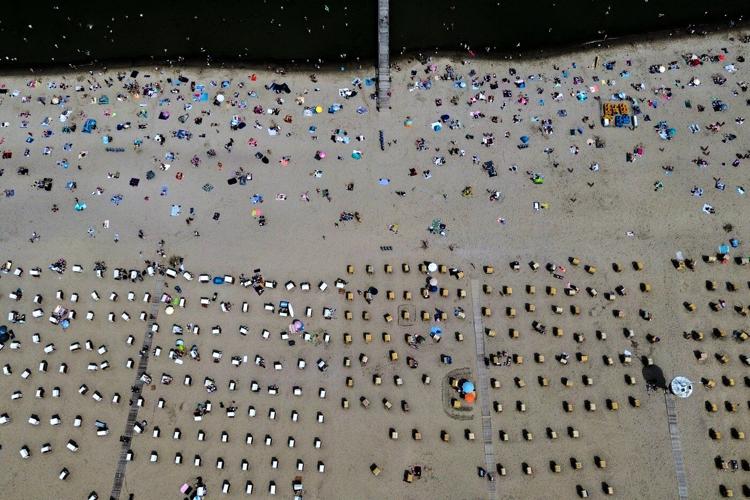








PARIS (AP) — France sizzled Sunday, canceling trains, concerts and sports events and cracking down on public drinking as an exceptional heat wave unfurled across parts of Europe. Multiple drownings were reported as people sought relief in whatever water they could find.
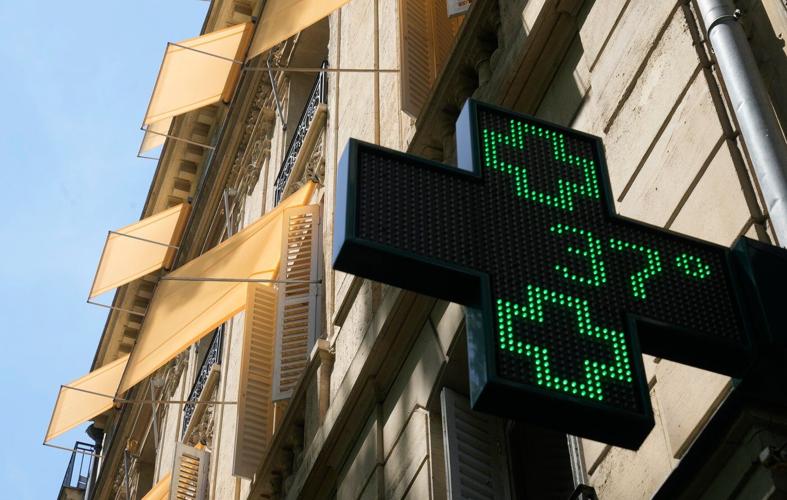
About a third of France is under ’’red alert″ heat and reached 40 degrees Celsius (104 degrees Fahrenheit) in some areas, in a country where air-conditioning isn’t widespread. The forecast for Monday is even hotter.
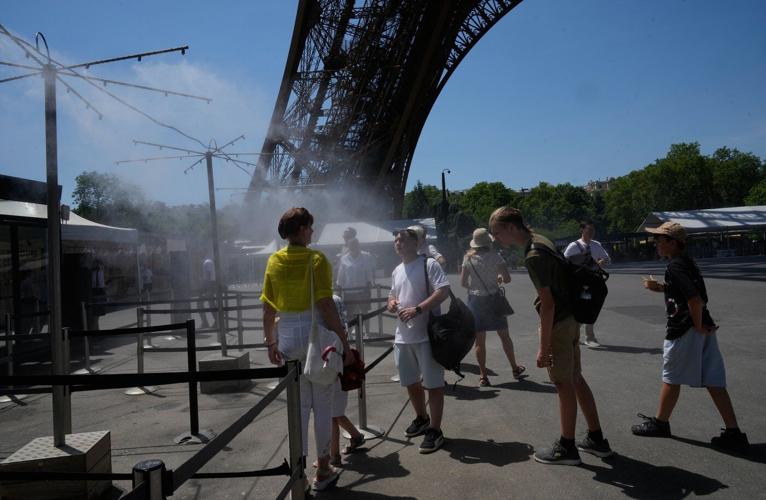
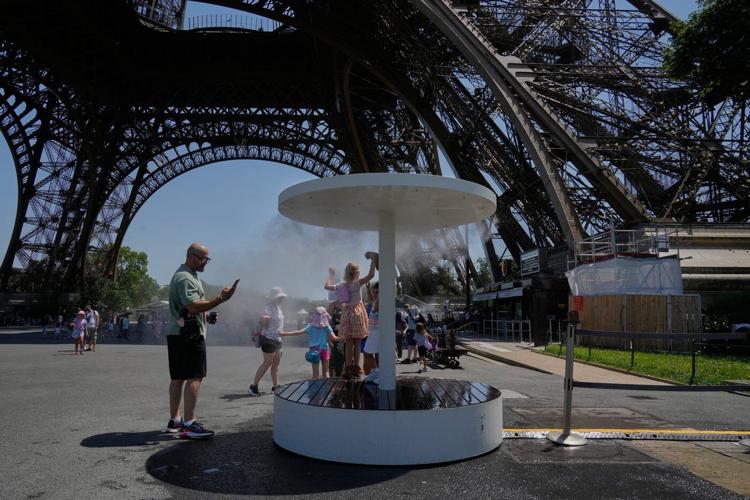
The Eiffel Tower and other Paris venues set up misting stations to cool crowds, among a raft of measures introduced by authorities to minimize risks. Tourists in Rome dunked in fountains. Spain’s Basque Country canceled some sports and cultural events.
More than 200,000 people across Europe died from heat-related causes over the last four years, and most of the fatalities were preventable, the World Health Organization’s Europe office said this month. More above-average temperatures are expected this summer, which can cause .
Human-caused is tied to increasing extreme weather events and U.N. climate agency projections say the next five years should . A rapid study found that human-caused climate change was responsible for killing about 1,500 people in an unusually early European heat wave in May.
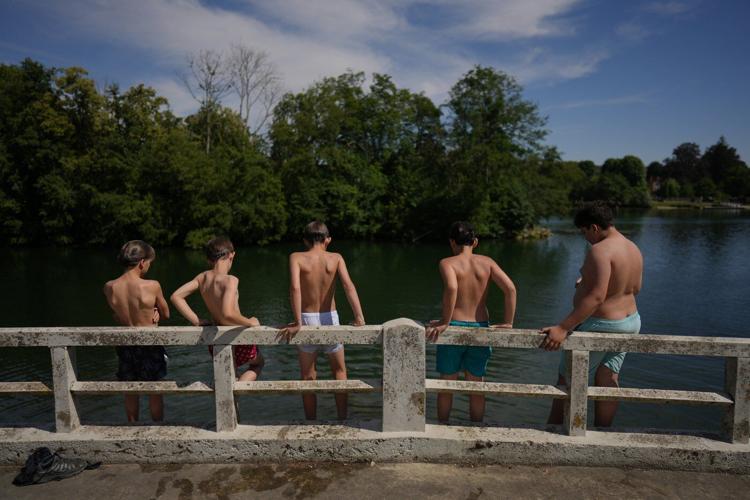
In this latest European hot spell, French media reported that four children drowned Saturday. Summer drownings are an annual problem that health authorities say worsens during hot spells.
Solstice parties draw large crowds in extreme heat
France’s annual Music Day on Sunday was of particular concern. The nationwide summer solstice celebration involves thousands of concerts in village squares, rave venues and Paris clubs, bringing communities together and increasingly drawing British and other international visitors. Some of the concerts outside Paris were canceled.
The French government banned public drinking in ’’red alert″ zones, and ordered organizers of music day events to limit alcohol consumption to “preserve emergency services and allow medics to concentrate on taking care of the most vulnerable.�
Scores of French trains were canceled, and the national rail authority dispatched thousands of extra staff to deal with potential problems as the heat threatened rails and electrical cables.
Authorities are notably worried about people living in the baking streets, and elderly people in nursing homes or isolated in their homes. About 15,000 older people died in France in a 2003 heat wave that became a national reckoning.
The government mobilized emergency services and military forces for reinforced wildfire readiness, imposed tightened surveillance of water supplies to France’s many nuclear reactors, and ordered 845 schools to close Monday.
Spain, Italy, Germany swelter as tourists seek relief
Spain kicked off the summer with large parts of the country on alert due to temperatures expected to hover around 40 C (104 F) — even in the interior of Basque Country, a northern region that typically experiences cooler temperatures.
Authorities have suspended outdoor sports and cultural activities in the region. The heat wave is expected to scorch Spain at least through Wednesday.
In Italy, authorities expanded heat warnings — referred to locally as “red flags� — to eight cities Sunday in northern and central parts of the country. Temperatures there are mostly in the upper 30s C (high 90s to low 100s F).
At one farm outside Milan, owners set up fans and sprinklers to keep cows cool, while visitors to Milan Fashion Week huddled under parasols and clutched fans. In Rome, tourists dunked their arms and occasionally their faces into the city’s famed fountain pools.
The German Weather Service is forecasting temperatures of up to 37 C (98 F) for Monday and Tuesday, and up to 39 C (102 F) Wednesday.
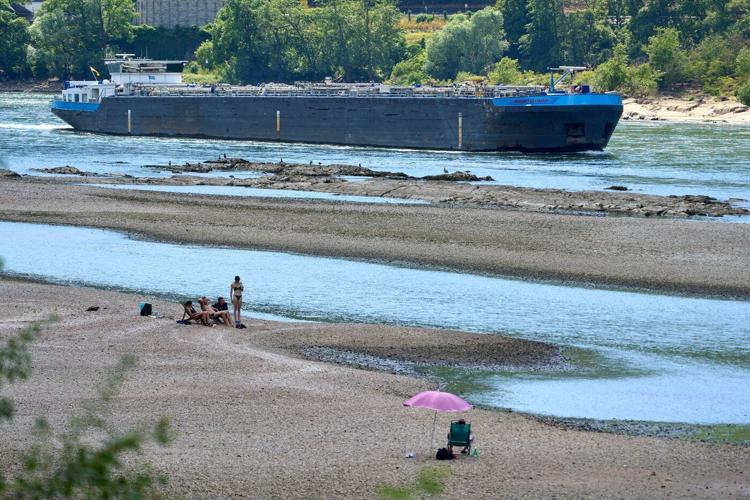
A 23-year-old man drowned Saturday in a lake near Rheinstetten in the southwestern region of Baden-Württemberg, the German news agency dpa reported. Three other people are missing after swimming in the Rhine River, a police spokeswoman told dpa.
Britain’s weather office has issued an “extreme heat� warning for much of southern England and parts of Wales from Monday until Thursday, saying temperatures could reach 38 C (100 F). The current record for a June day is 35.6 C (96 F), reached in 1976.
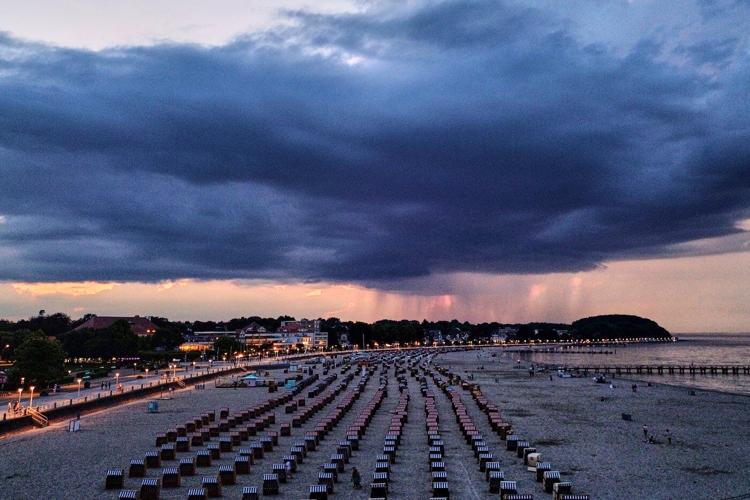
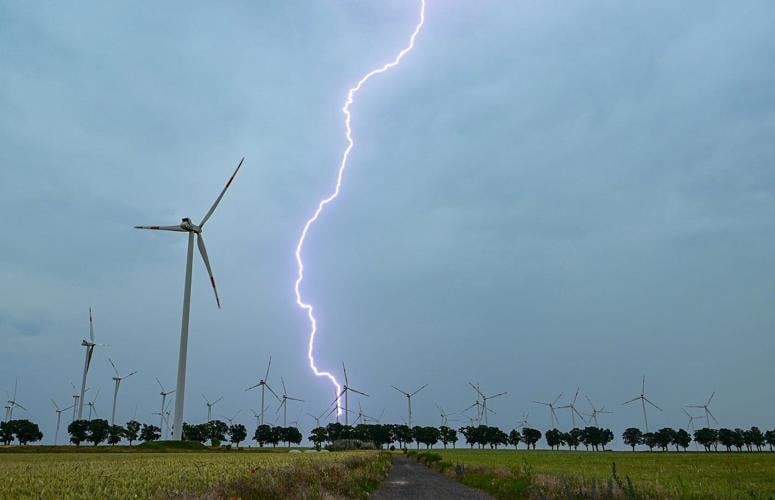
Thunderstorms also threatened regions in Germany and Poland.
French Prime Minister Sebastien Lecornu is convening a new government heat crisis meeting Sunday, and ordered government ministers to plan for better adapting France to heat waves in the future — including “via air conditioning, if necessary.�
___
Associated Press writers Derek Gatopoulos in Athens, Greece, Claudia Ciobanu in Warsaw, Poland, Jill Lawless in London and Teresa Medrano in Madrid contributed to this report.