
ST. JOHN'S - A Newfoundland judge is expected to rule Friday whether a man accused of three attempted murders is fit to stand trial, in a case his family says is the catastrophic result of a flawed health-care system that failed him and his alleged victims.
Trudy Hickey says her son, 32-year-old Mitchell Rose, has schizophrenia. Unbeknownst to his family, he was discharged months ago from a court-ordered program that kept him medicated, Hickey said in an interview.
She said he slipped deep into psychosis in early December, in the days before he is alleged to have assaulted and tried to kill several people in a St. John鈥檚 apartment building.
When the police phoned her, she said it felt like the ground was falling out from under her.
"I said to the police, 'Please,' she said. "'Please, please, Mitchell is sick. Please be kind.'"
On Dec. 9, the Royal Newfoundland Constabulary said it received reports of a man banging on doors and screaming at an apartment building the night before. Rose is accused of sending two women to hospital with serious injuries, one in critical condition, the force said.
The following week, the constabulary said it had charged Rose with a third count of attempted murder, stemming from the incident on Dec. 8.
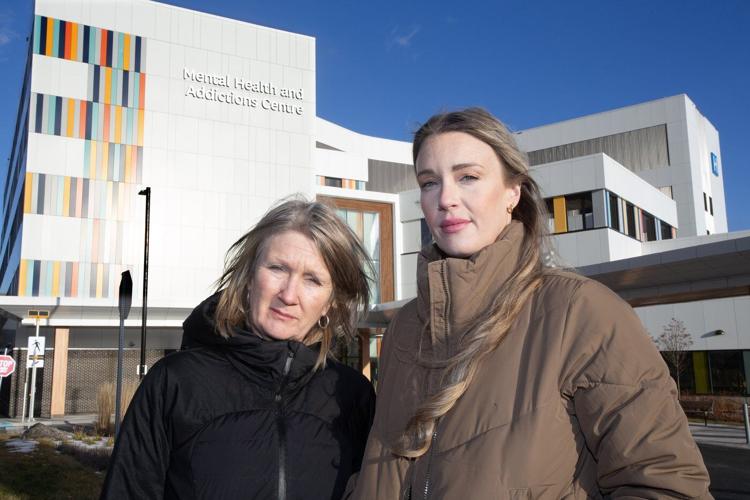
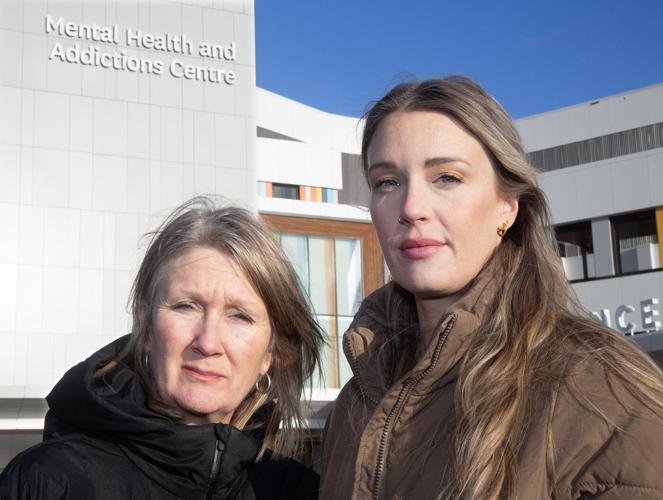
A provincial courtroom heard last month that Rose was being held in the forensic unit at the mental health and addictions hospital in St. John's, and that he had not taken medication in some time.
Janaya Rose, Mitchell Rose鈥檚 sister, said thoughts about the victims keep her up at night.
鈥淚 am just constantly worried about what state they are in, what happened to them, how terrified they must have been,鈥� she said in an interview. 鈥淚 pray for them every night that they're OK. I pray for my brother and I pray for the victims.鈥�
Mitchell Rose was diagnosed with schizophrenia when he was around 19 years old, his sister said. His symptoms can include paranoia, hypervigilance and delusions, she said. He was put on a community treatment order in 2021.
Under the program, health-care workers would go to his home and give him monthly injections to ensure he stayed on his medication, Janaya Rose said. The Assertive Community Treatment, or ACT, team could also check on him or bring him to the hospital if he was in crisis, she said.
Hickey was close with her son and took him out several times a week for groceries and supplies. In early December, he suddenly pulled away. He refused to see her or leave his apartment, she said. She knew he needed medical care.
But when she called the ACT team to check on him, they told her he had been discharged from the community treatment plan months ago for "non-engagement," she said.
Hickey was stunned. "Non-engagement? That's a symptom of the disease," she said.
Her son went downhill fast. On Dec. 8, Hickey called the mobile crisis response team, a group of health-care professionals and police officers who can respond to mental health emergencies. He wouldn't let them in his apartment and they said there was nothing they could do without his consent, she said.
She tried to get her son to go to the hospital with her, but he wouldn't reply to her texts. Hickey was frantic, but she said people kept telling her they couldn't do anything to help. She said they didn't seem to fully comprehend how serious the situation was.
"I knew he was in a state of psychosis. He needed medical attention and he didn't get it," she said. "There were so many points where an intervention could have been done."
Janaya Rose said it was "inevitable" her brother would fall into psychosis after being discharged from the community treatment program, and officials should have known that.
"I truly believe it was negligence," she said. "Whoever took him off that program, it was not right. That was immediately putting him in danger and the community in danger."
The provincial health authority will "certainly" launch a review of what happened in Rose's case, said Dr. Pat Parfrey, chief executive officer of Newfoundland and Labrador Health Services.
"If there are defects in the way the services were delivered 鈥� we will definitely act upon them," Parfrey said in a recent interview. That includes changing the community treatment program if necessary, he said.
Janaya Rose said she is speaking publicly about her brother because change is urgently needed. She said family members need to be able to step in when someone is in psychosis.
Her brother never should have been discharged from the community treatment order, she said.
"If I can honour my brother in any way and try to prevent these tragedies from happening to my brother, the victims, our family or their family in the future, that's what I want to do," she said.
This report by 好色tvwas first published Jan. 16, 2026.