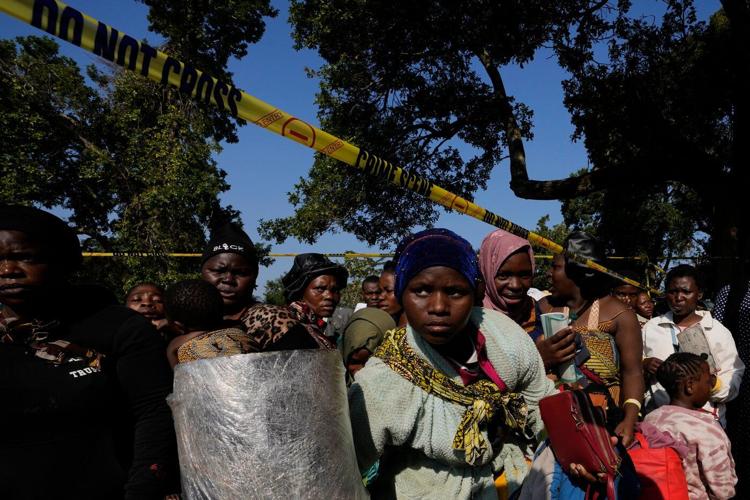
CAPE TOWN, South Africa (AP) — Thousands of people gathered Tuesday in various parts of South Africa to hold demonstrations against illegal migration as tensions around the issue grow in the country.
Many African immigrants predominantly from Zimbabwe and Malawi are leaving South Africa because of that sparked attacks against foreigners.
The attacks have coincided with a in recent months by anti-immigration groups, who set Tuesday as what they called a “deadline� for people in the country illegally to leave and the government to take action against what they say is a growing problem of illegal immigration in Africa's biggest economy.
The groups threatened a “national shutdown� if that doesn't happen.
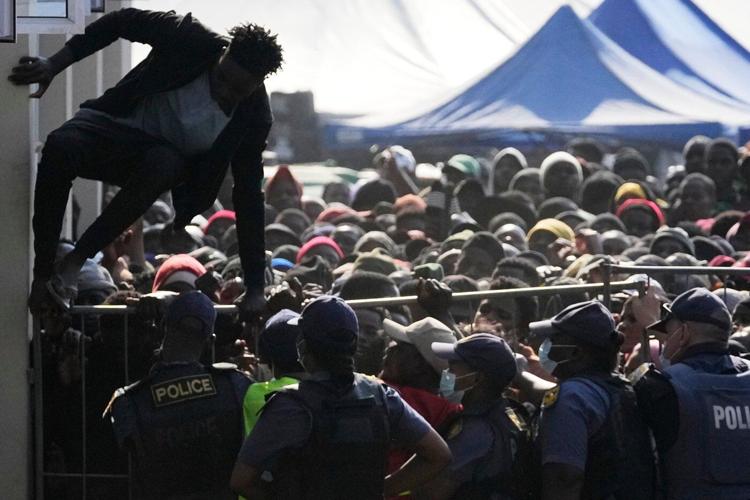
South African authorities were on high alert Tuesday, with officers deployed to various parts of the country that have been identified as locations for potential violence against people who are in the country illegally.
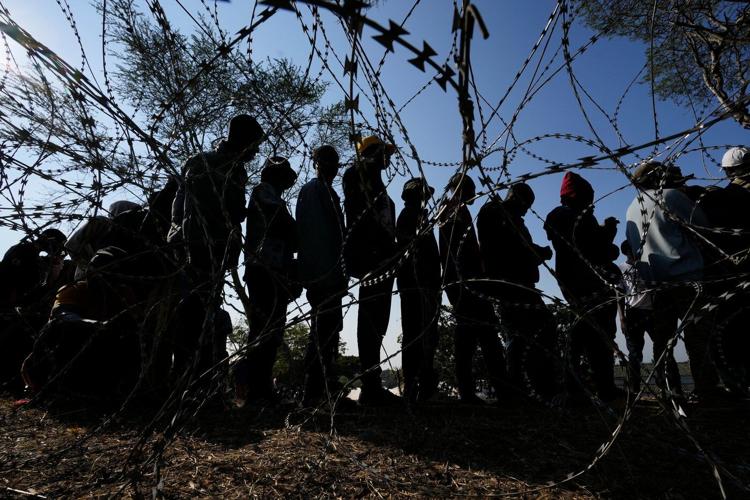
Thousands of immigrants are moving from South Africa to Zimbabwe through the Beitbridge border post, which is experiencing high traffic volume.
Some countries including Malawi, Nigeria, Ghana and Zimbabwe while criticizing South Africa for what they call a climate of xenophobia.
Here is what to know:
There have been a series of anti-immigration protests
Anti-immigration protests in several major cities have put the issue at the top of national politics since March. The protest groups have blamed immigrants without evidence for South Africa's high unemployment, public service failures and crime.
South African President Cyril Ramaphosa met Monday night with some leaders of the planned rallies, assuring them of their right to protest but insisting on peaceful demonstrations.
He has said some of the protest groups are exploiting the issue to advance their own political agendas and “illegal immigration is not the cause of our social and economic difficulties.�
But Ramaphosa also conceded there had been failures in South Africa's border control.
As one of Africa's richer countries, South Africa has long seeking a better life. The latest census figures from 2022 show there were 2.4 million foreign nationals who had immigrated, which is less than 4% of South Africa's population of 62 million.
Critics of the government say those figures do not count many others in South Africa without proper documents.
South Africa is cracking down on immigration
While becomes increasingly polarizing in and Europe, Africa's leading economy is also confronting the issue.
In the last two years, South Africa has deported more than 100,000 people the home affairs ministry says were in the country illegally, while also stopping around 500,000 others at borders trying to enter without documents.
Those figures have strengthened the claims by anti-immigration groups of a larger problem.
South Africa has a history of anti-immigrant violence
South Africa has a history of xenophobic violence as migrants from poor nations like Zimbabwe, Mozambique and Malawi generally end up settling in impoverished communities in South Africa are high.
A spokesperson for United Nations Secretary-General Antonio Gutteres said Gutteres was “deeply concerned by reports of xenophobic attacks and acts of harassment and intimidation against migrants and foreign nationals in parts of South Africa.�
In 2008, more than 60 people — both South Africans and foreign nationals — were killed in a wave of anti-immigrant violence that spread from the biggest city of Johannesburg. There have been intermittent outbursts of violence against immigrants since then.
The latest tensions have led to strong criticism of South Africa by several African countries, including Nigeria, Ghana and Mozambique, who say their citizens are being targeted.
Migrants say they are leaving out of fear
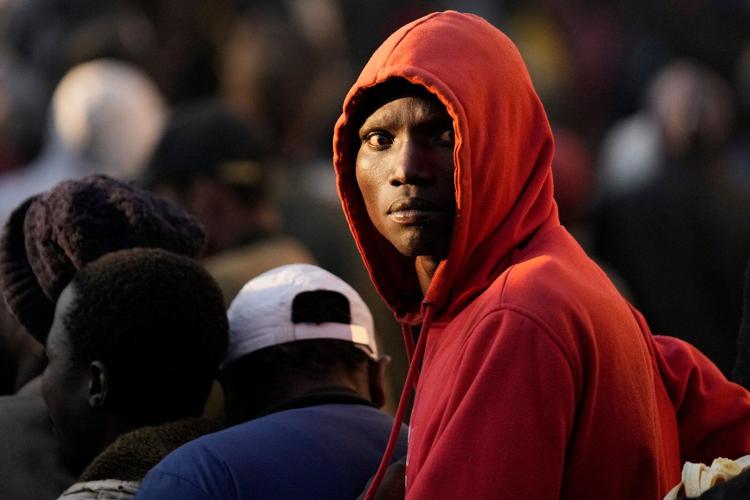
Thousands of migrants have also left South Africa as tensions rise ahead of the June 30 deadline set by protest groups.
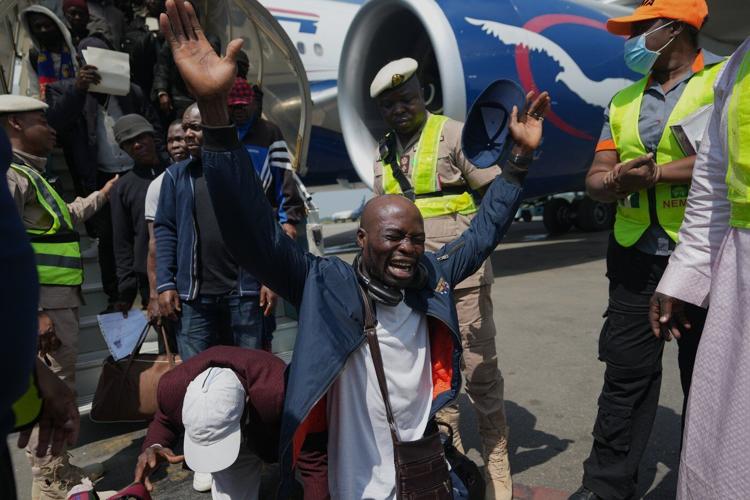
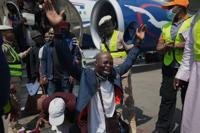
Nigeria and Ghana have repatriated nearly 2,000 people on government-sponsored flights, citing concerns over their safety, and say there will be more evacuations. Zimbabwe and Mozambique have also repatriated smaller numbers of people.
More than 8,000 Malawian nationals have left the country on buses provided by the Malawian government or private sponsors and others have gathered in Durban as they attempt to leave the country.
South African authorities said they helped facilitate the repatriation of Malawian citizens, but they also formally deported many of them for not having documents to live in South Africa.
___
AP Africa news: