
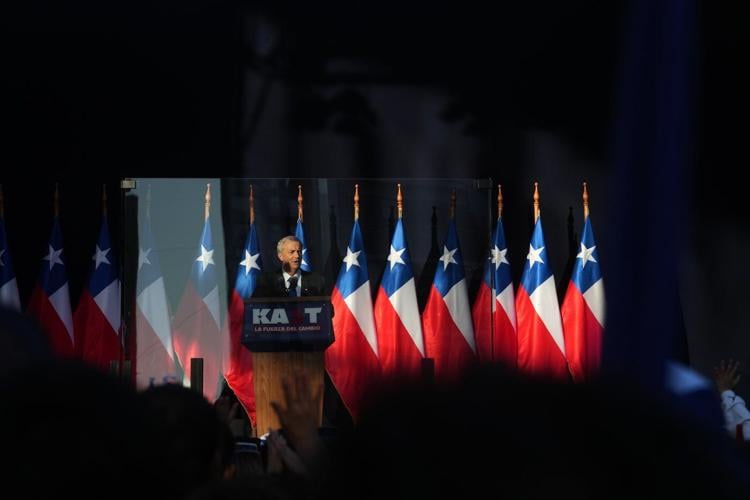





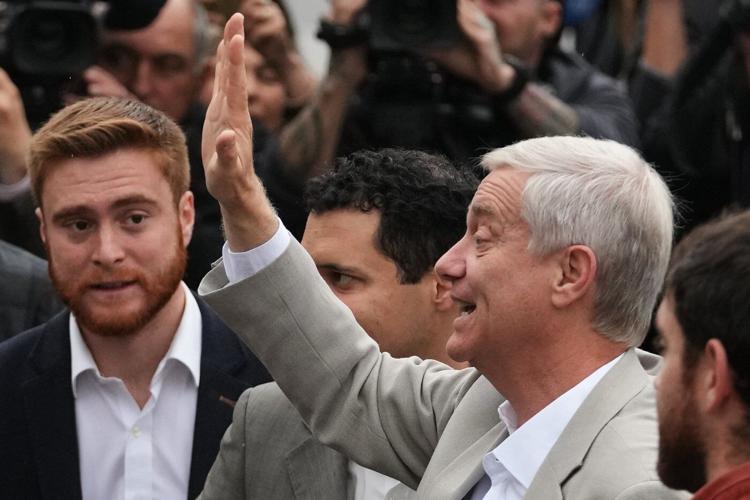

SANTIAGO, Chile (AP) — As Chileans vote on Sunday, even detractors of ultra-conservative former lawmaker José Antonio Kast say the candidate whose radical ideas lost him the past two elections is likely to become the country's next leader.
°²¹²õ³Ù’s in the polls , communist Jeannette Jara, shows how the hard-liner has seized the mantle of the traditional right in a country that once defined its post-dictatorship democratic revival with a vow to contain such political forces.
Many voters are frustrated with the options
But much is also up for grabs about Chile’s political direction.
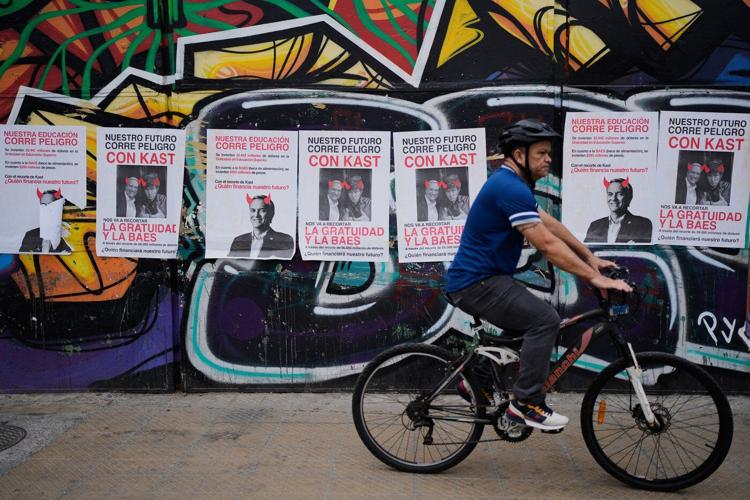
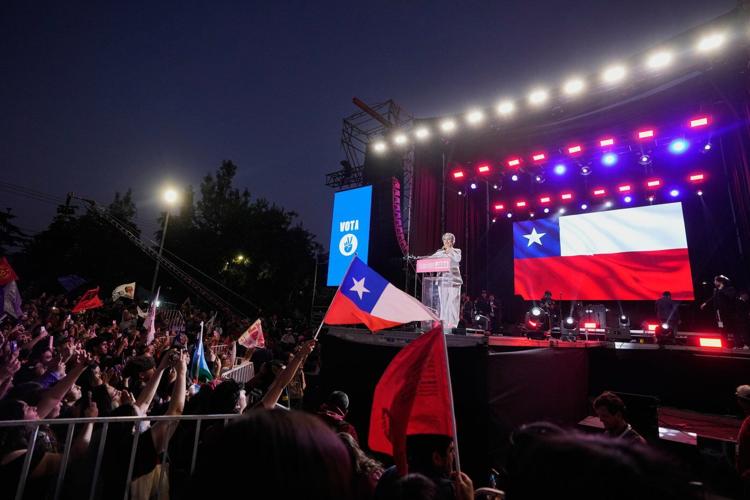
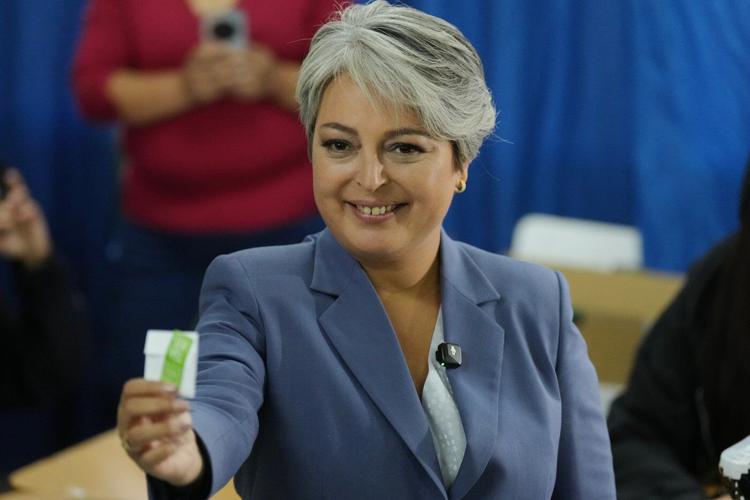
Kast's claim to a popular mandate depends on his margin of victory on Sunday over Jara, the center-left governing party candidate who narrowly beat him in the .
Although in that election and later endorsed Kast, — a populist center-right candidate who described himself as an alternative to °²¹²õ³Ù’s “fascismâ€� — revealed that, between the contrasting ideologies of the front-runners, sit hundreds of thousands of centrist voters with no real representation.
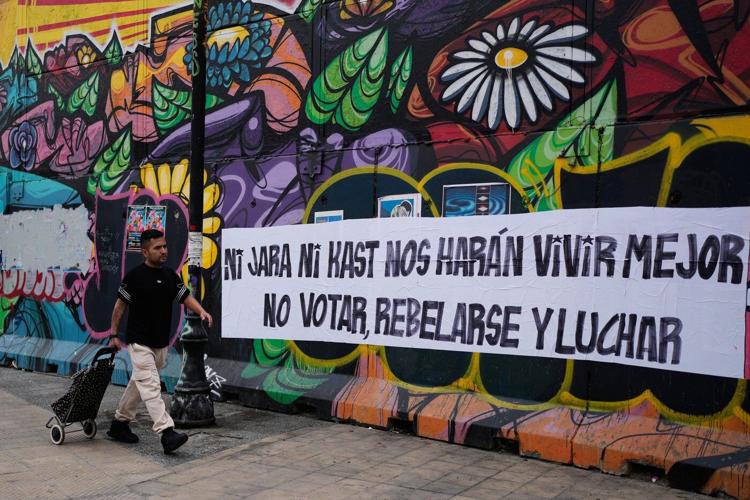
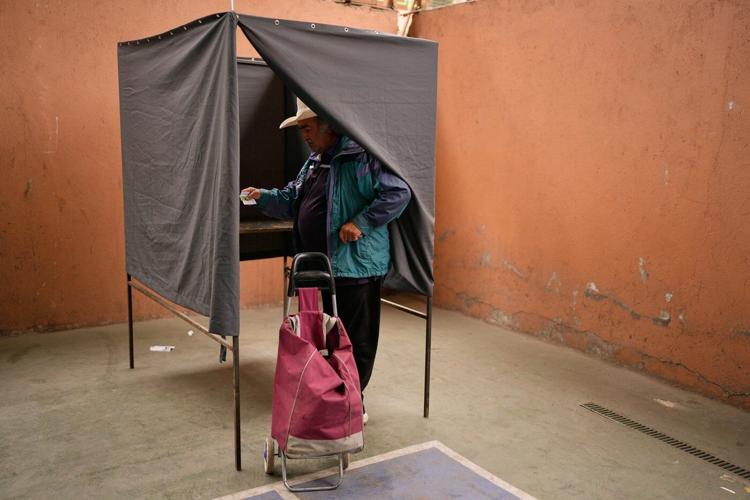
“Both are too extreme for me,� said Juan Carlos Pileo, 44, who plans to cast a blank ballot Sunday, as voting is now mandatory in Chile’s elections. “I can’t trust someone who says she’s a communist to be moderate. And I can’t trust someone who exaggerates the amount of crime we have in this country and blames immigrants to be fair and respectful.�
Kast raises expectations but reality is a different story
Even if elected, it remains uncertain whether Kast, an admirer of , can implement his more grandiose promises. They include slashing $6 billion in public spending over just 18 months without eliminating social benefits, deporting over 300,000 immigrants in Chile with no legal status and expanding the powers of the army to fight organized crime in a country still haunted by from 1973 to 1990.
For one, °²¹²õ³Ù’s far-right Republican Party lacks a majority in Congress, meaning that he’ll need to negotiate with moderate right-wing forces that could bristle at those proposals, significantly shaping policy and his own legacy.
Political compromises could temper °²¹²õ³Ù’s radicalism, but also jeopardize his position with voters who expect him to deliver quickly on his law-and-order campaign promises.
At each campaign event, Kast has taken to ticking off the number of days remaining until Chile's March 11 presidential inauguration, warning immigrants without legal status that they should get out before they "have to leave with just the clothes on their backs.�
Jorge Rubio, 63, a Chilean banker in Santiago, the capital, said he and like-minded Chileans are “also counting down the days, adding: “That’s why we’re voting for Kast."
Boric's left-wing government is under fire
As the pandemic shuttered borders, like Venezuela's Tren de Aragua , long considered among Latin America's safest and wealthiest countries. Homicides hit a record high in 2022, the first year of .
Kast insists that Boric’s government is too soft on immigration and crime, which the far-right leader argues are connected although the data does not necessarily support his narrative. Boric’s approval rating has hovered around just 30% for the past two years.
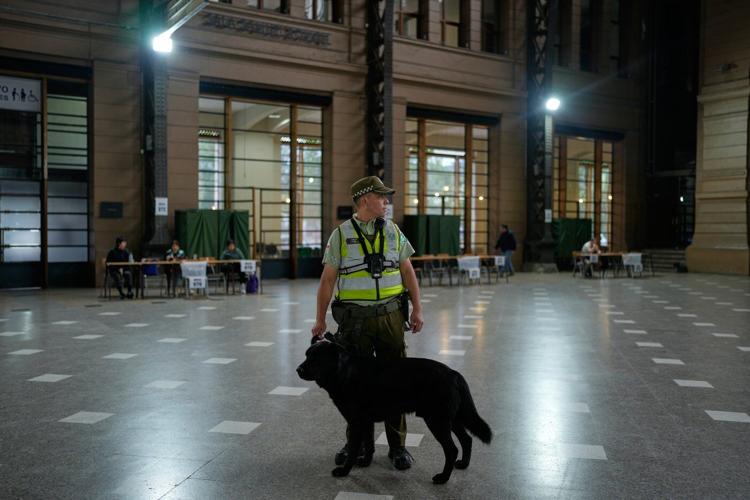
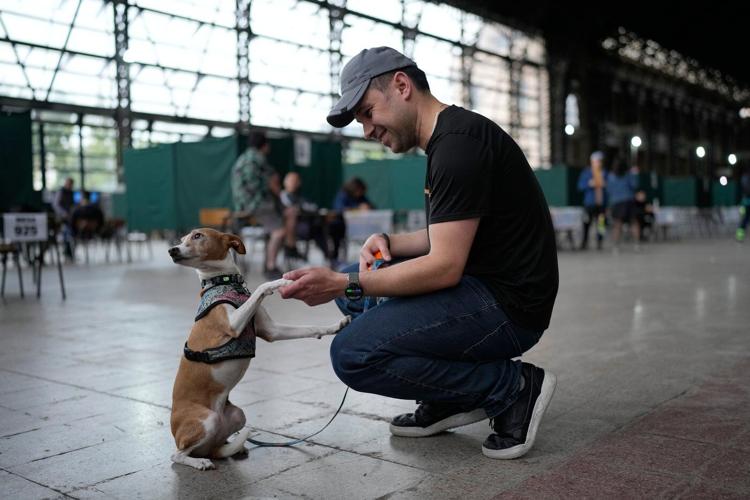
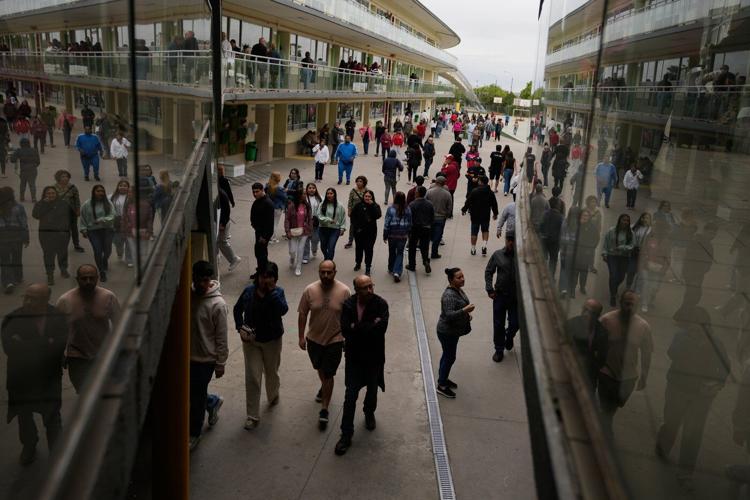
“We are living through a moment of psychosis, thanks to this government," said Nati Pérez, an 87-year-old Peruvian who immigrated to Chile over a decade ago, heading to vote for Kast at an old railroad terminal in central Santiago that was converted into a vast polling center for the day. “He's not against immigrants, he's against crime. Venezuela sent all their criminals here.�
Others say the firebrand former student protester who came to power in 2021 , has risen to the occasion. Boric went from criticizing the use of police force on the campaign trial to pouring money into the security forces. He sent the military to reinforce Chile's northern border, stiffened penalties for organized crime and created the country's first public security ministry.
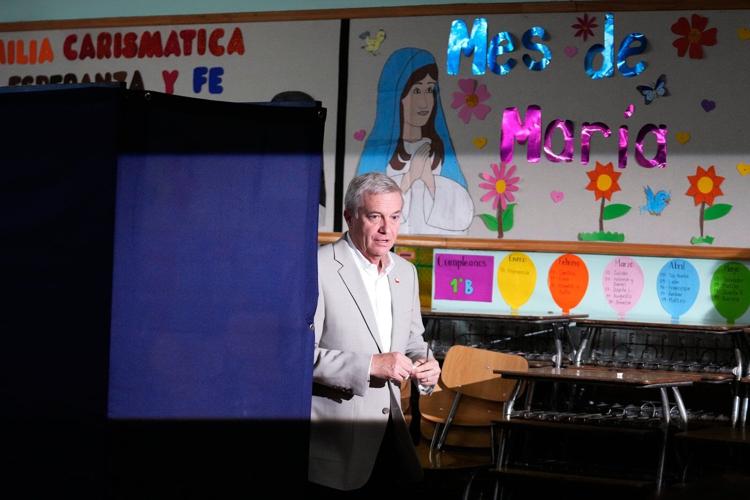
“I actually thought this government would be worse. I have to admit that it has improved security,� said Mariano Jara, 55, emerging from a polling station where he said he voted for Kast. “There's always more that can be done. There's room to get tougher.�
Chile’s homicide rate is has fallen in the last two years, now on par with the rate in the United States. But that has done nothing to change the widespread feeling of insecurity.
In Chile, just 39% of people feel safe walking alone at night, according to a recent Gallup survey of 144 countries. That's around the same figure as in Ecuador, which is now in the . In Libya, where fractious , over 70% of people said they feel safe.
Crime and migration overshadow all other concerns
As Boric's , Jara became popular as the architect of the administration's most important welfare measures.
That matters little now. Voters' concerns have forced her to switch gears. She has vowed to toughen border security, register undocumented migrants, tackle money laundering and step up police raids.
But promises to restore law and order are more persuasive coming from an insurgent outsider who has made security a key part of his agenda for years.
“Kast has been smart and strategic in focusing on migration and security," said LucÃa Dammert, a sociologist and Boric’s first chief of staff. “It has been very difficult for the Jara campaign to move him away from those issues.â€�
Learning from his previous two failed presidential runs, Kast has avoided topics that — such as his , and opposition to and .
When asked about his deeply conservative values, Kast, a devout Catholic and father of nine, says only that they remain the same. His supporters, including voters who previously spurned him over his stance on social issues, now say they're willing to trade abstract human rights concerns for increased safety on the streets.
“It's not very nice to hear that he's going to separate immigrant children from their parents, it's sad, that's going to be a problem for me,� said Natacha Feliz, a 27-year-old immigrant from the Dominican Republic, referring to a recent interview in which Kast said immigrant parents without legal status who didn’t self-deport would be obliged to hand their kids over to the state.
“But this is happening everywhere, not just in Chile. Let's just hope that our security situation improves."
___
Associated Press writer Nayara Batschke in Santiago, Chile, contributed to this report.