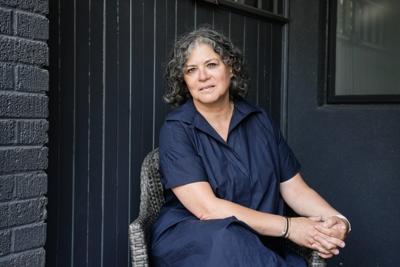

Linda Umlauf has maintained a rigid schedule for her high-needs autistic daughter since the London, Ont., group home where her daughter lived shuttered in May, as social and community service workers walked off the job.
She takes Nicky Umlauf, 28, to the beach on Mondays, shopping and swimming on Tuesdays, and other activities the rest of the week, with a packed itinerary planned around her daughter's interests and need for routine. The mother and daughter love to cook together and go bowling, and they use a picture board to communicate about the day's plans.
But as the strike has dragged on, Nicky Umlauf, who is non-verbal, has become increasingly confused about being stuck at home and obsessed with the particulars of her day.
In several instances, Linda Umlauf鈥檚 typically happy and well-behaved daughter has physically lashed out at her and her husband. Sometimes, the couple retreats into a locked 鈥渟afe room鈥� in their home to protect themselves during her aggressive episodes.
鈥淚 have a bite mark on my arm, and she will attack my husband as well, when she鈥檚 really frustrated,鈥� she said.
The retired insurance administrator sobbed on a recent afternoon as she described giving up her social life to look after her daughter full time 鈥� including visiting her own mother, who lives in a nursing home.
鈥淲e really don鈥檛 do anything other than look after Nicky,鈥� she said, as her daughter loudly cried out in the background. 鈥淎nd we just miss our friends.鈥�
Umlauf鈥檚 family is one of many in the lurch since approximately 4,000 community, health and social services workers across Ontario stopped work in the spring. The workers, some of whom went on strike while others were locked out, include social workers, shelter staff and developmental service workers.
Frustration and panic are mounting for people with developmental disabilities who need routine, parents now thrust into full-time caretaking roles and workers who are financially treading water, desperate to return to their livelihoods.
Ontario Public Service Employees Union president JP Hornick says social services workers in the province are lining up at food banks alongside their clients. Hornick says striking workers want better funding for their sectors and retroactive wage compensation. (Aug. 6, 2026)
Elissa MendesThe striking workers, who are represented by the Ontario Public Service Employees Union, are demanding more funding for their sectors and retroactive wage increases, union president JP Hornick said in an interview. Workers from 24 community agencies filed unfair labour practice complaints in July, arguing that the agencies need to bring their primary funder 鈥� the provincial government 鈥� to the table.
Hornick said the union is also inviting employers to the table, and bargaining has been "a tricky issue."
The union alleges that workers have been 鈥渟tonewalled鈥� by Premier Doug Ford and his government, and that Conservative MPPs have refused to meet with striking constituents or affected families.
鈥淚t's been a very slow suffocation effect of funding for these sectors,鈥� Hornick said.
In October, the province鈥檚 financial accountability office predicted a $1.5 billion funding shortfall for the Ministry of Children, Community and Social Services in 2025-26, a $2.4 billion gap in 2026-27 and a $3.1 billion deficit in 2027-28.
Hornick said striking workers are predominantly living paycheque to paycheque, some standing in food bank lines alongside their clients.
鈥淭hese are not the kind of jobs that people go into for pay,鈥� Hornick said.
In a statement, the Ministry of Children, Community and Social Services said that collective bargaining is between the union and employers, but the government expects service providers to have "strong contingency plans" to protect clients during labour disruptions.
The ministry added it has made "historic investments in the development services sector," including nearly $4 billion this year, as well $407 million over three years for agencies delivering ministry-funded services.
But Hornick said it was difficult to know how private-sector providers were spending that money.
"They say there's record investment, but at the same time, we see autism services waiting lists growing," Hornick said. "None of these sectors are actually keeping up with demand, in terms of funding," they added.
Staff at a 24/7 women's centre in Toronto are struggling to do their jobs with limited support and supplies, said Patricia Crooks, a community support worker at the Sistering centre. Workers are 鈥済oing above and beyond鈥� on a daily basis just to keep the organization afloat, an unsustainable situation that called for labour action, she said.
Since the strike began, Crooks has relied on her son to pay most of their rent. Others have struggled to pull together bus fare, and people on work permits have worried the work stoppage could jeopardize their status in Canada, she said.
鈥淢y son keeps saying, 鈥楳om, leave,鈥欌�� Crooks said. 鈥淏ut I love my job. For me, it鈥檚 my purpose.鈥�
Stuck at home without work, she tries to focus her racing mind on making signs and motivating her colleagues on the picket lines. She badly misses greeting women at the centre, handing out meals and lending referrals or a listening ear.
鈥淭o tell you the truth, clients find us on the outside, and we have to tell them all the time that we鈥檙e not working, but we still help,鈥� Crooks said. 鈥淲hat else can we do?鈥�
Several parents said that communication from the union and the government has been insufficient since the strike began, and they wish they had been consulted before the work stoppage. Some parents said social media posts of workers dancing or holding cheeky signs on the picket lines felt inappropriate as their children suffered at home.
鈥淚t really broke my heart,鈥� Annie Fayyaz said of the online posts. Her autistic son is an intelligent boy who always looks to his mother for answers, Fayyaz said, and his anxiety has spiked dramatically since the strike began. The family plans to up his medication, the Toronto mother added.
Her 14-year-old doesn鈥檛 have the capacity to hold a back-and-forth conversation, but dozens of times a day, Fayyaz said he asks his mother the same three-word sentence: 鈥淪chool in September?鈥�
Fayyaz said she can no longer work at all because of the time she spends caring for her son, and she may have to postpone a surgery she requires.
鈥淚 respect that people have the right to advocate for fair working conditions,鈥� Fayyaz said. 鈥淏ut I also want everyone involved to remember that these children with disabilities are living with the consequences.鈥�
Susan Cosgrove, the mother of three autistic children, pointed out that some children with developmental disabilities are considered so vulnerable that they were given a rare exemption to attend school in person during the COVID-19 lockdown.
Now, the same children can鈥檛 access the services they need.
As Cosgrove threw her son's 13th birthday party on a recent weekend, celebrating alongside other families with autistic children, she worried about whether he would be able to return to his Toronto school this fall.
鈥淲e weren鈥檛 consulted in any way about whether we wanted to be fought for or used as weapons,鈥� she said.
Hornick, the union president, said striking is ultimately workers鈥� decision, not a choice made by community members, and noted many families have spoken out in support of the work stoppage. The union has held discussions with families throughout the process, said Hornick, who alleges that some employers have deliberately made communicating with families more difficult.
"I'm sure there are some folks that feel that they weren't included in conversations," Hornick said. But "decisions to take work action are really done by the workers."
Hornick added the levity on picket lines is an attempt to keep morale up during the strike.
鈥淚'm not faulting any family,鈥� Hornick added. 鈥淲hen you have a kid who requires high levels of care, I can only imagine the frustration and worry and anxiety.鈥�
But the union president said workers are also devastated to be away from the communities they serve: 鈥淵ou won't talk to a single one of them that doesn't want to be back on the job 鈥� They know what the impact is.鈥�
鈥淎nd they also know that drawing a line in the sand, at some point, has to be done.鈥�
Toronto mother Lucia Miguens has watched her 鈥渟weet and adorable鈥� 16-year-old son, who has severe autism, regress since his summer camp was cancelled because of the strike, seeming sadder and less communicative. Miguens said her husband is out of work in the finance industry because of his caretaking demands.
鈥淲e just need to hear a resolution for our kids,鈥� Miguens said. Come September, 鈥渨e don鈥檛 know where our son is going to go.鈥�
Vicky Plytas is similarly panicked. Her autistic daughter, who is 17, has behavioural issues and online school is 鈥渁 disaster鈥� for her, Plytas said. Her daughter barely completed any online assignments without the regular support of her Toronto school for people with developmental disabilities.
Plytas said there was no way she could encourage or bribe her daughter, who yearns to be back in person, to participate online: 鈥淚 couldn鈥檛 figure it out.鈥�
She said she has received conflicting or confusing information about the closure of the school since the strike began. Plytas accused the provincial government of shortchanging children with developmental disabilities.
鈥淥ur kids are the people who are always forgotten about when the budget is set,鈥� Plytas said. 鈥淭hey鈥檙e not popular because they don鈥檛 make money for the government.鈥�
Linda Umlauf, the London mother caring for her 28-year-old daughter, said all she can do is offer Nicky Umlauf tentative reassurance that she will return to her group home.
鈥淲e just tell her that she鈥檒l be going back,鈥� Umlauf said. 鈥淭he problem is we can鈥檛 tell her when.鈥�
This report by 好色tvwas first published Aug. 6, 2026.